

DISASTER RISK REDUCTION
IN MINING
RESILIENCE BUILT FOR THE REAL WORLD
Why it matters
Mining activity can support jobs, livelihoods, infrastructure and the supply of important materials. It can also create or intensify serious risks when activities are poorly planned, inadequately governed or undertaken without sufficient regard for people, communities and the environment.
Workers and surrounding communities may face sudden emergencies as well as risks that develop over time. Water systems, ecosystems, livelihoods, infrastructure, cultural places and community wellbeing may all be affected, while some consequences can continue long after operations have changed or closed.
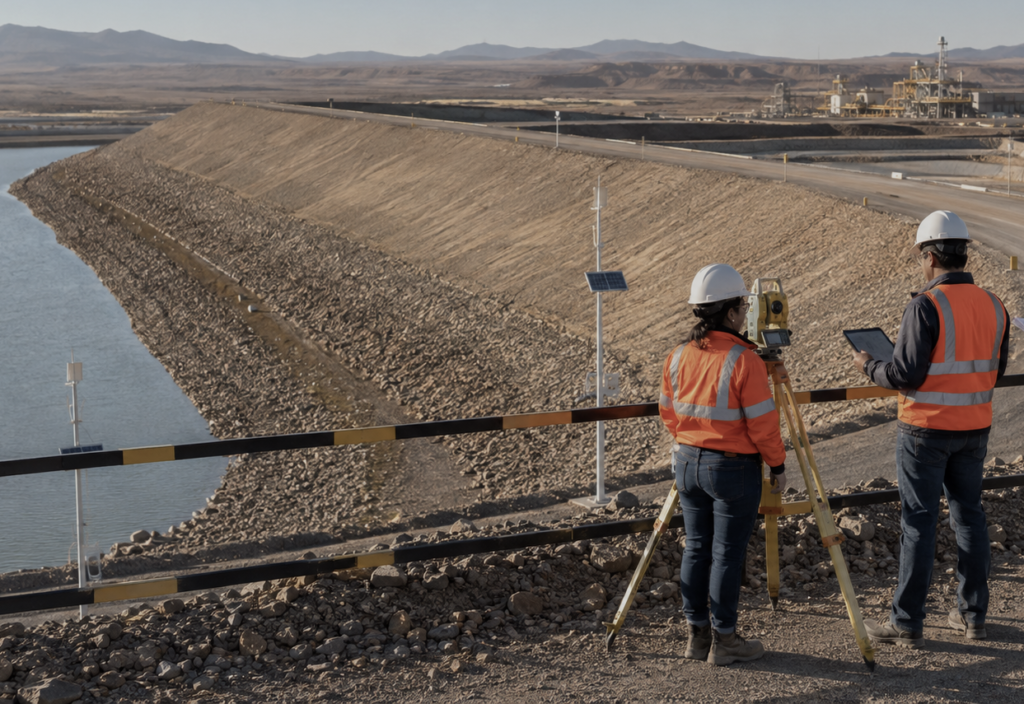
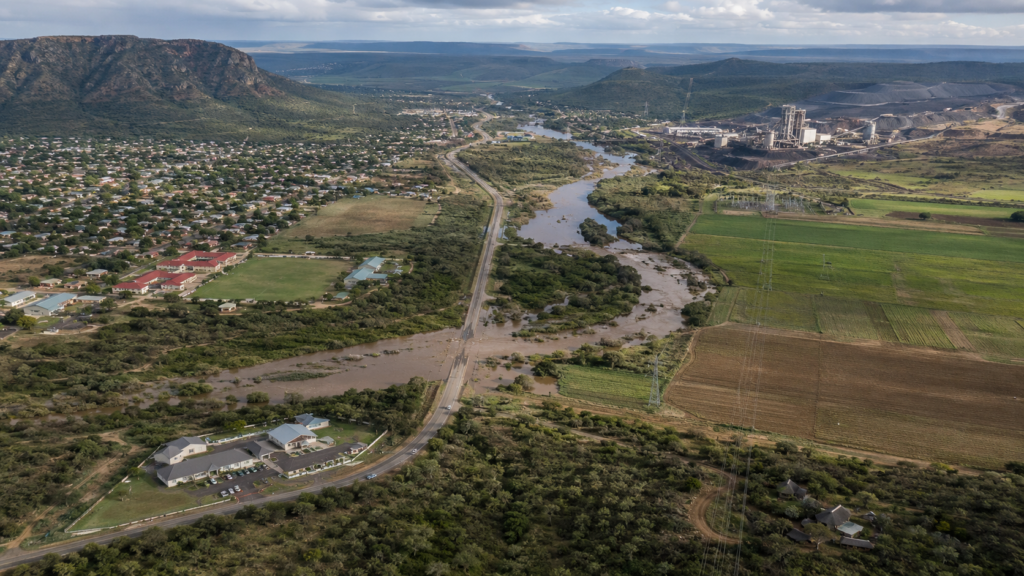
High-consequence mine-related incidents can create effects that extend far beyond the original event or mine boundaries. Technical controls are essential, but they must be supported by risk-reduction and emergency systems that account for people, planet and critical dependencies.
In this environment, disaster risk reduction cannot be separated from preventing environmental and community harm. An emergency plan is not an adequate response to unsafe conditions that should first be avoided, reduced or corrected at source.
Meaningful resilience protects life, respects affected communities, safeguards the environment and strengthens accountability before, during and after disruption.
Our solution?
Through our Disaster Risk Reduction in Mining offering, we support projects with a clear potential to protect life, reduce disaster risk, prevent or limit environmental harm and strengthen the safety and resilience of affected communities.
Our work considers material hazards and credible disruption scenarios alongside exposure, vulnerability, environmental and social consequences, existing capacity and critical dependencies.
Our approach is people-centred, community-informed and grounded in evidence. We work with affected people, existing teams, governance structures and relevant specialists to strengthen the systems that must function under real-world conditions.
Disaster Risk Assessment and Spatial Analysis
We offer disaster risk assessments of material hazards, credible disruption scenarios, exposure, vulnerabilities, capacities, environmental and community consequences, and critical dependencies across an operation and its wider risk environment.
This may include climate-risk analysis, GIS mapping and spatial review of receptors, infrastructure, access routes and environmental features.
Outputs provide a basis for risk reduction, preparedness, planning and investment.
Emergency Preparedness and Response Planning
Development, review or strengthening of emergency plans, scenario annexes, procedures, responsibilities, escalation routes, notification requirements and decision-making arrangements.
We can support a complete plan, address a specific gap or integrate existing plans into one usable system.
High-Consequence and Tailings Emergency Preparedness
Preparedness support for high-consequence and tailings-related scenarios using verified specialist inputs.
This may cover downstream receptors, detection and escalation, warning, evacuation, command arrangements, external coordination and preparedness testing. It excludes structural assessment and breach or inundation modelling.
Incident Management and Stakeholder Coordination
Design or strengthening of command structures, emergency coordination groups, escalation pathways and information flows, clarifying how operational teams, contractors, emergency services, authorities, specialists and community structures will coordinate under pressure.
Community Preparedness, Warning and Protective Action
Structured and intentional engagement with communities to understand shared risks, local knowledge, vulnerabilities and preparedness priorities.
We also support early warning, accessible risk communication, evacuation, shelter-in-place planning and arrangements for people requiring additional assistance.
Training, Exercises and Readiness Reviews
Designing and facilitating role-specific training, tabletop exercises, drills and simulations that test plans, warnings, decisions and coordination.
Independent preparedness and after-action reviews translate lessons into prioritised corrective actions, responsibilities and realistic timeframes.
Safe Continuity, Recovery and Resilience Systems
Continuity, recovery and transition planning that identifies essential functions, safe shutdown requirements, dependencies and responsible recovery priorities, without placing production above people or the environment.
This can include closure-related risks and systems for tracking preparedness actions and resilience improvements.
DO YOU WORK IN MINING?
We work with organisations willing to engage honestly with risk
Operating Mines
Active mining operations committed to harm reduction can strengthen site-specific risk understanding, environmental and community safeguards, emergency arrangements, workforce readiness and responsible recovery capability.
Mining Groups &
Portfolios
Multi-site organisations can establish consistent disaster-risk, community-protection and preparedness principles across their portfolios while responding to the distinct hazards, ecosystems, communities and operational realities of each location.
Exploration &
Development Projects
Project teams can integrate disaster risk, environmental considerations, emergency preparedness and meaningful community participation early, when harmful assumptions can still be challenged and risks avoided rather than inherited by later phases.
Social Performance & Community Teams
Community relations, social performance, sustainability and environmental teams can better understand shared risks, strengthen safeguards, support meaningful participation and connect community preparedness with wider operational systems.
Closure &
Post-Closure Teams
Closure planning teams can consider how changing infrastructure, staffing, land use, residual hazards, environmental conditions and community dependencies may affect safety and resilience during and after transition.
Engineering &
Specialist Partners
Engineering firms, environmental specialists and multidisciplinary project teams can bring Disaster Nomad into assignments where verified specialist analysis needs to be translated into practical risk reduction, preparedness, communication, coordination and community readiness.
WANT TO LEARN MORE?
Get in touch
Let’s talk about how our Disaster Risk Reduction in Mining offering can be tailored to your properties, team, and operating environment.