

DISASTER RISK REDUCTION
IN TOURISM
RESILIENCE BUILT FOR THE REAL WORLD
Why it matters
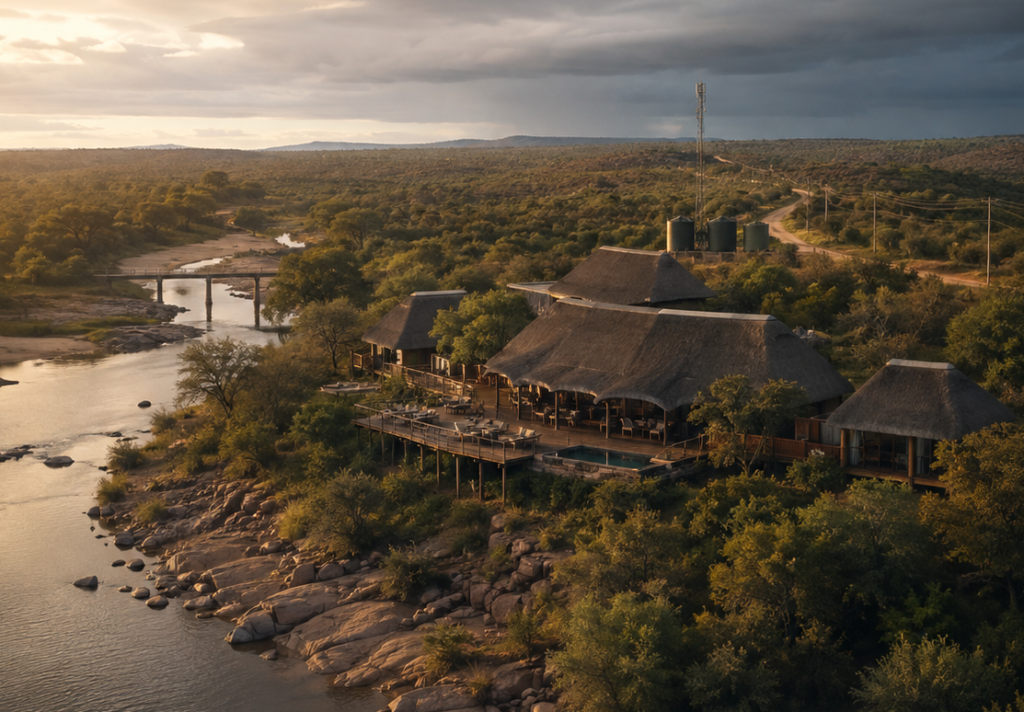
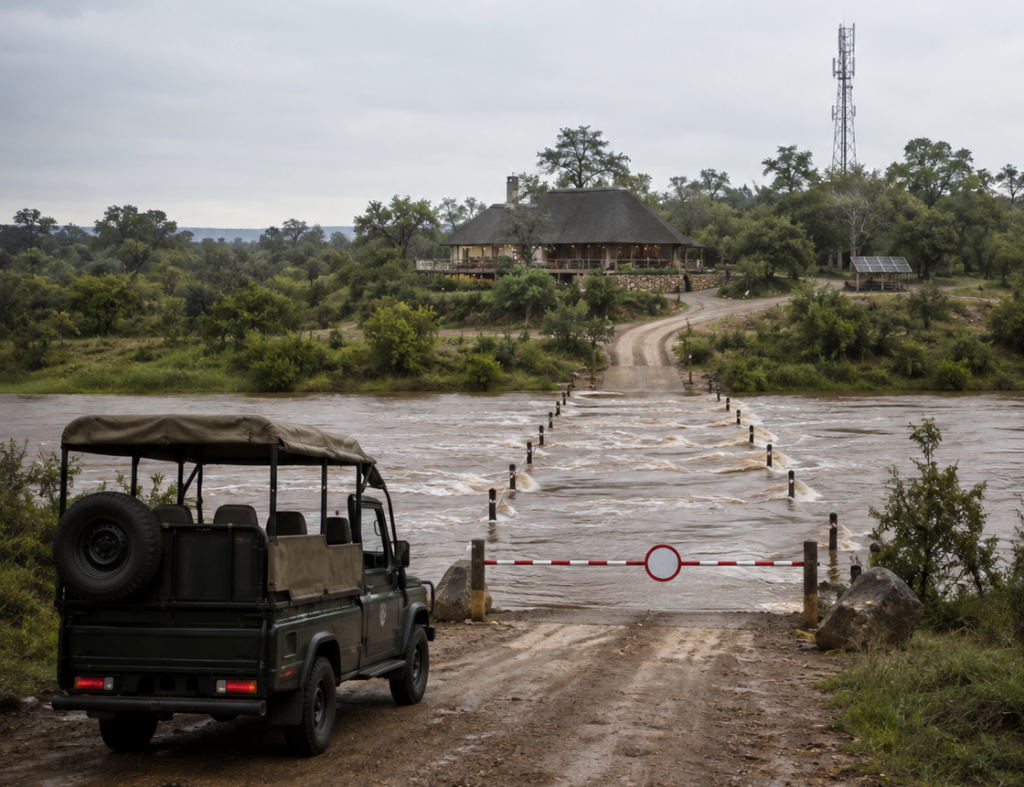
Tourism is a significant driver of economic growth and stability by creating jobs, preserving cultural assets, and supporting conservation. However, the natural environments that attract visitors are increasingly exposed to climate-related hazards such as floods, wildfires, storms, droughts, and extreme heat, intensified by the strengthening El Niño and global climate change.
These hazards can threaten lives, damage infrastructure, disrupt operations and weaken the confidence of stakeholders. Yet many operators continue to rely on generic plans, incomplete risk information and reactive decision-making.
Studies consistently show that preparedness is far more cost-effective than recovery, with UNDRR’s Global Assessment Report 2025 indicating that every US$1 invested in preparedness and disaster risk reduction is an average saving of US$15 through avoided future recovery costs.
In the current climate-risk context, disaster preparedness is now becoming a strategic necessity to protect lives, safeguard livelihoods, support communities, ensure business continuity, and sustain long-term tourism viability.
Our solution?
Through our Disaster Risk Reduction in Tourism offering, we provide tourism operators with a structured, practical, and sustainable approach to disaster risk management.
We equip your team with the tools needed to proactively identify and manage risk, protect guests and staff, maintain operational continuity, support local communities and recover more efficiently when disruptions occur.
Baseline Disaster Risk Assessment
We develop a baseline Disaster Risk Assessment that provides clear, site-specific understanding of priority hazards, vulnerabilities, and existing capacities.
This enables informed decision-making, prioritisation of resources, and avoidance of generic or misaligned preparedness actions by your team.
Emergency Management Plan
Using the findings of the risk assessment, we design practical, scenario-based plans aligned to real operational conditions.
This gives you and your staff the confidence to know exactly what to do, when to act, and who leads during emergencies.
Business Continuity Integration
Our team works with yours to identify clear linkages between emergency response and operational recovery.
This sets you up to reduce downtime, protect livelihoods, and support faster, more coordinated recovery when disasters occur.
Structural and Infrastructure Guidance
Our architectural partner helps perform risk-informed identification of priority infrastructure enhancements.
This supports phased, cost-effective resilience improvements to your properties, rather than reactive or unnecessary upgrades.
Capacity Building and Handover
While our team is always here to support and can perform annual audits, we believe that resilience stems from internal ownership of risk and preparedness systems.
By training your team on your new risk reduction approach, you are able to ensure preparedness is sustained over time and not dependent on external consultants.
System Integration
To ensure this approach can grow with your organisation and provide evidence-based decision making, we work with our partner Baotree to set up your digital system for managing risk and preparedness actions.
This enables ongoing updates, coordination, alerts, and continuity regardless of staff turnover.
DO YOU WORK IN TOURISM?
THIS IS FOR YOU
Lodges & Camps
Independent and multi-property lodges or camps can strengthen site-specific risk awareness, guest and staff safety, emergency procedures and continuity planning for remote operations.
Hotels & Groups
Individual hotels, resorts and portfolios can establish consistent risk and emergency-management standards across properties while addressing each location’s specific hazards and operational realities.
Conservancies
Private, community and multi-operator conservancies can assess shared landscape risks and coordinate preparedness across tourism properties, conservation teams, communities, access routes and emergency partners.
Tourism Foundations
Foundations, trusts and tourism-development initiatives can build scalable resilience programmes that strengthen local capacity, protect livelihoods and support community and conservation outcomes.
Tourism Associations
Membership and industry bodies can equip operators with sector-specific guidance, assessment tools and training while promoting consistent preparedness standards across their networks.
Agents & Guides
Travel agents, destination-management companies, tour operators and guides can strengthen journey risk assessments, traveller communication, contingency planning and incident-response procedures.
WANT TO LEARN MORE?
Get in touch
Let’s talk about how our Disaster Risk Reduction in Tourism offering can be tailored to your properties, team, and operating environment.